2026 Modern Furniture Buying Guide — What Nobody Tells You Before You Shop
2026 Modern Furniture Buying Guide — What Nobody Tells You Before You Shop
By EKARFURNITURE | furniturebymodern.com
Let's be honest about furniture shopping
Most people buy furniture the wrong way. They walk into a store (or scroll endlessly online), fall in love with how something looks in a staged photo, buy it, and then spend the next decade living with a decision they kind of regret.
The couch is too deep. The dining table wobbles after 18 months. The bed frame looks amazing but squeaks every time you roll over.
We've heard it all. And after years of making modern furniture at EKARFURNITURE, we figured it's time to just... tell you everything. No sales pitch. Just the stuff that actually matters when you're about to spend real money on pieces you'll live with for years.
First: "Modern furniture" doesn't mean what most people think
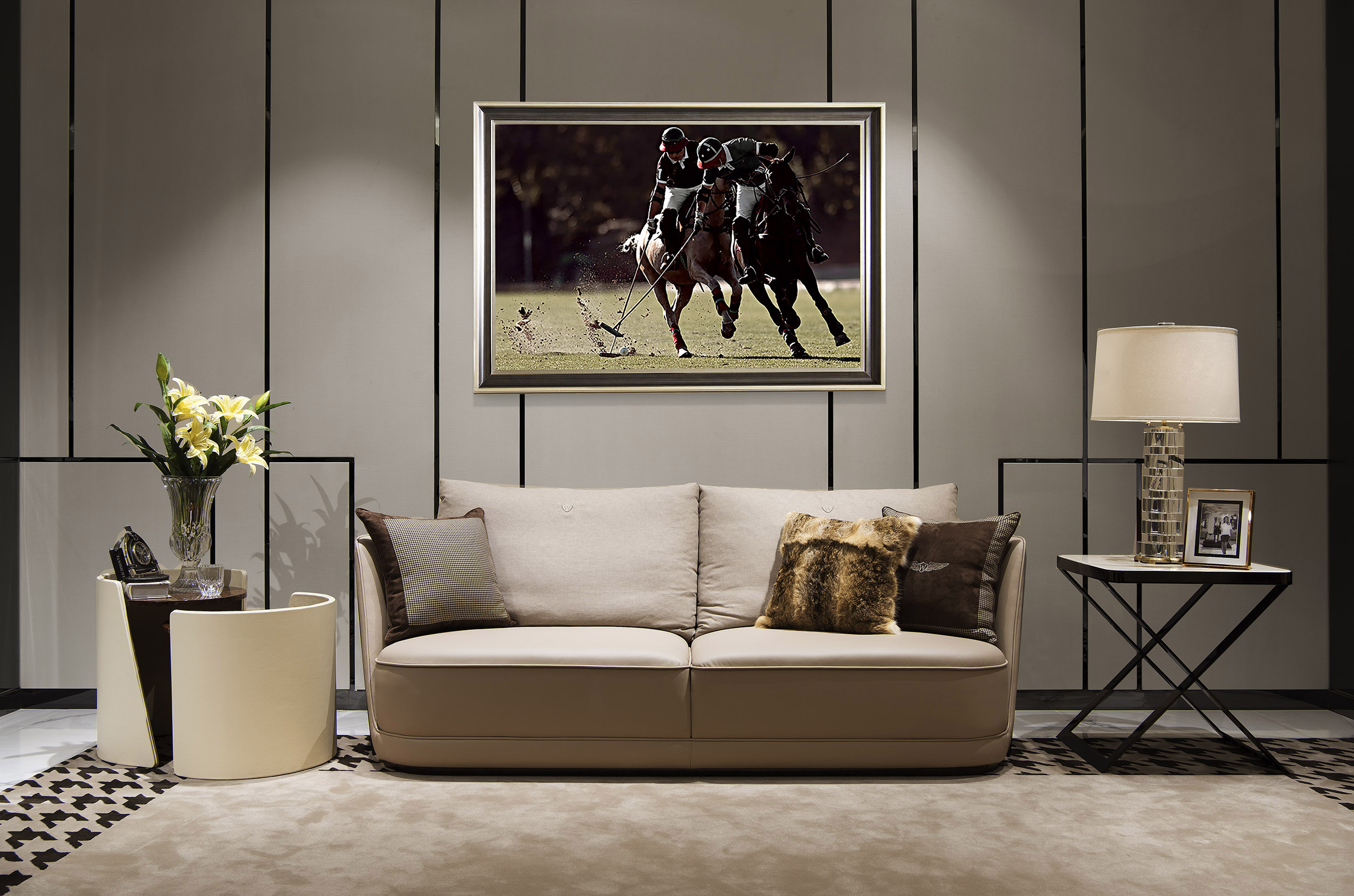
This trips up a lot of shoppers. When people say "modern," they usually mean contemporary — as in, stuff that looks new and trendy right now. But Modern furniture (capital M) is actually a specific design movement that started in the early 1900s with the Bauhaus school in Germany.
The core idea? Form follows function. Nothing decorative for the sake of being decorative. Clean lines. Honest materials. Structures that make sense.
That's why a well-designed modern piece from 1960 still looks sharp today — it was never chasing a trend to begin with. And that's the philosophy behind everything we make at EKARFURNITURE. If a line doesn't serve a purpose, it doesn't belong on the piece.
Materials: This is where most buyers get burned
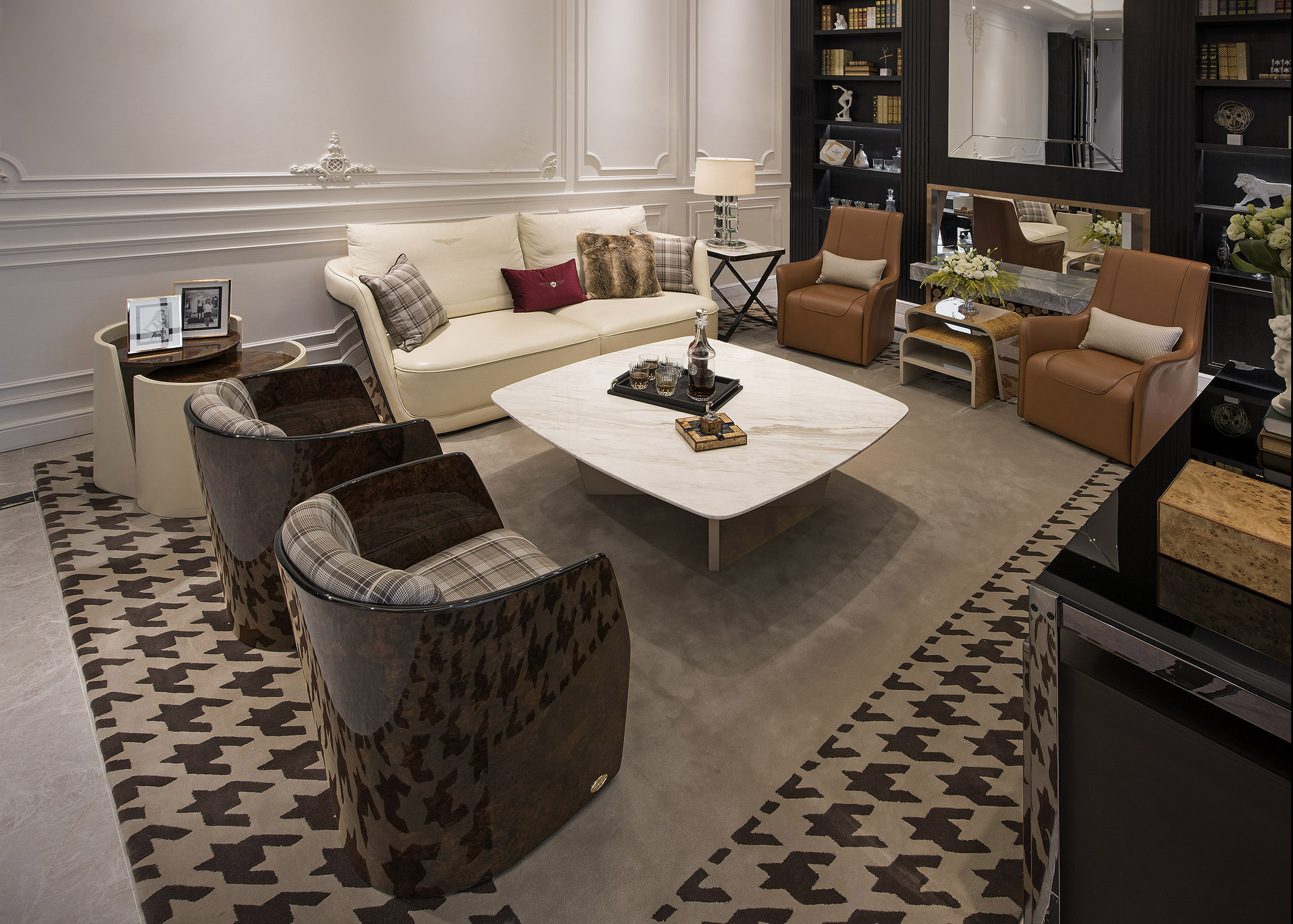
Here's the uncomfortable truth — a lot of furniture out there looks identical in photos but is made from completely different materials. That $300 dining table and the $900 one can look the same on a screen. They will not feel or last the same in real life.
Solid wood is the gold standard for warmth and longevity. It dents and scratches (that's normal — it's wood), but it also gets more character over time. You can sand it, refinish it, and it'll outlast almost anything else. The catch: it reacts to humidity, so it's not ideal for bathrooms or very damp climates.
Metal — steel or aluminum — is incredibly durable and gives you that clean, structural look. It's what separates a furniture leg that looks delicate from one that is delicate. At EKARFURNITURE, we use metal frames a lot because they let us do thin, precise lines without sacrificing stability.
MDF and engineered wood aren't evil. High-density MDF is actually great for painted finishes and storage pieces — it's stable, smooth, and doesn't warp the way solid wood can. The problem is low-quality MDF, which chips easily and doesn't hold screws well. Ask about density and coating before assuming all board material is the same.
Tempered glass opens up a space visually — it's great for coffee tables and dining tables in smaller rooms because your eye passes right through it. Just know it shows fingerprints constantly. That's the trade-off.
The best pieces mix materials. A solid oak top on a steel base, for example. You get the warmth of wood with the precision of metal. That's not a compromise — that's actually good design.
The style conversation (without the jargon)
You don't need to memorize design terminology, but it helps to know what you're drawn to so you can shop with intention.
Minimalist Modern is white walls, neutral tones, nothing unnecessary. It's calm and sophisticated, but it only works if you actually live minimally. If your natural state is "stuff everywhere," this style will stress you out.
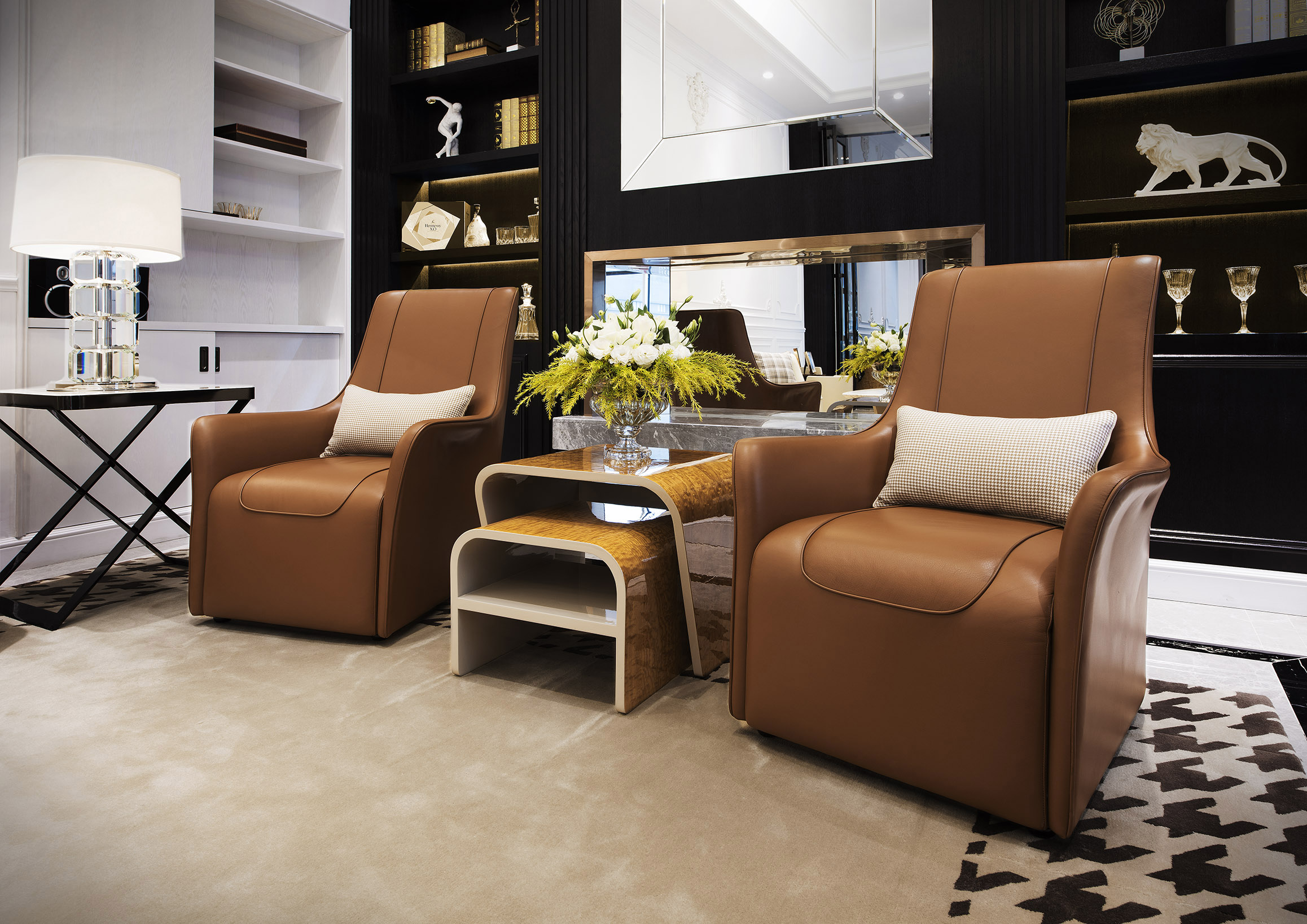
Mid-Century Modern is having a huge moment and honestly it deserves it. Think 1950s and 60s — organic curves, tapered legs, warm wood tones, earthy colors. It's modern without feeling cold. A lot of people find it the easiest style to actually live in.
Industrial Modern is exposed metal, raw textures, dark palettes. It works beautifully in lofts and open-plan spaces. It can feel heavy in smaller rooms if you're not careful with the lighting.
Japandi (Japanese + Scandinavian) is the trend that won't quit — and for good reason. Natural materials, muted tones, an appreciation for imperfection. It's cozy and refined at the same time. Very liveable.
What's trending in 2026? Warm minimalism. The cold, stark white-box aesthetic is fading. People want clean lines but with texture — linen, warm wood, brass hardware, terracotta. Less "gallery" and more "home." That's exactly where EKARFURNITURE's newest collections are headed.
Room by room: what actually matters
Living room
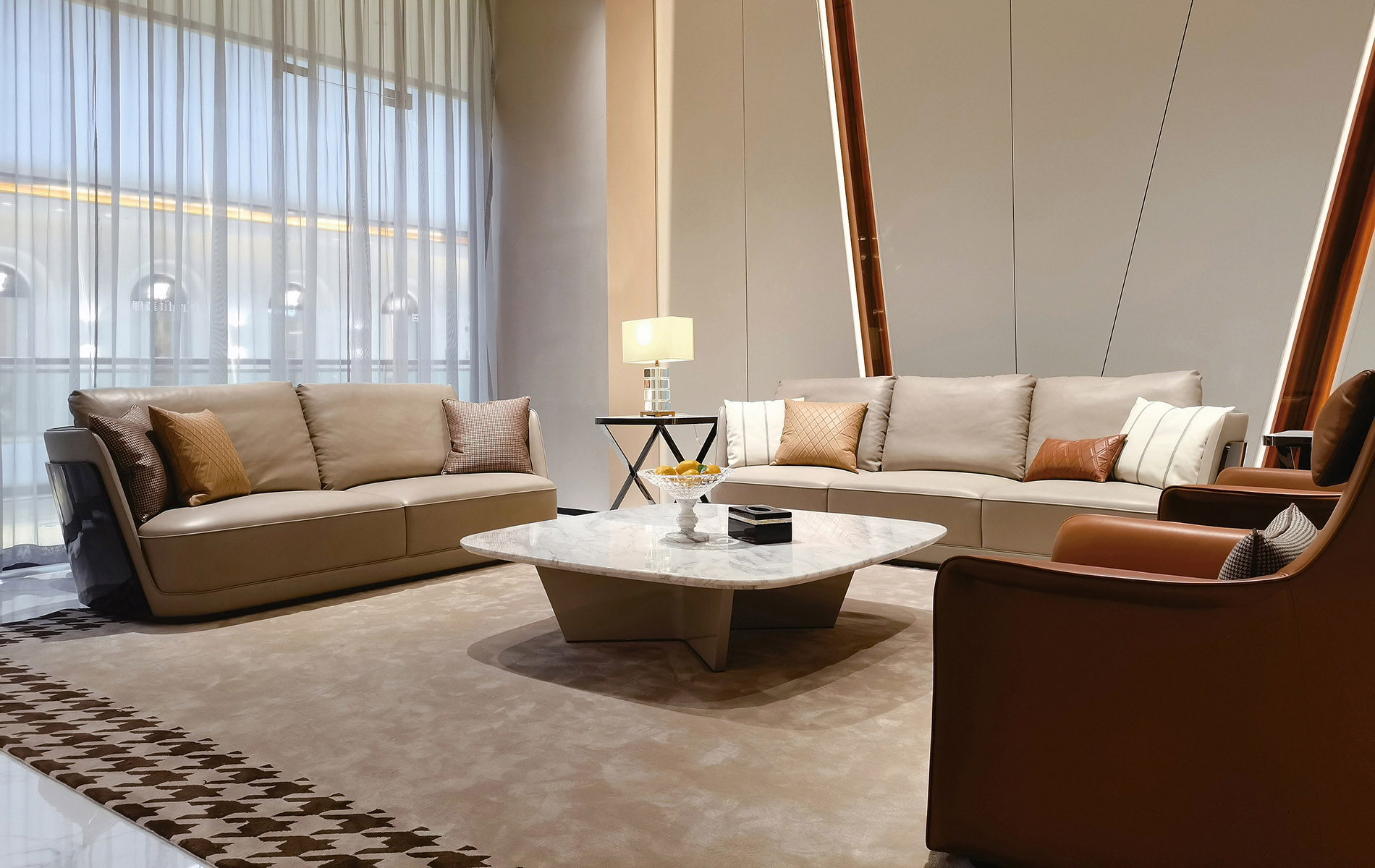
Your sofa is the most important furniture decision you'll make. Forget the color for a second — focus on seat depth. Between 42–48cm is comfortable for most people. Much deeper and you're either slouching or perching on the edge. Much shallower and it feels like you're sitting in a waiting room.
Cushion fill matters too. Down feels luxurious but requires fluffing. High-density foam holds its shape better long-term. A foam core with a down wrap gives you the best of both — that's what we use.
Coffee table height: ideally 2–5cm lower than your sofa seat cushion. That's the sweet spot for actually using it comfortably.
Dining room
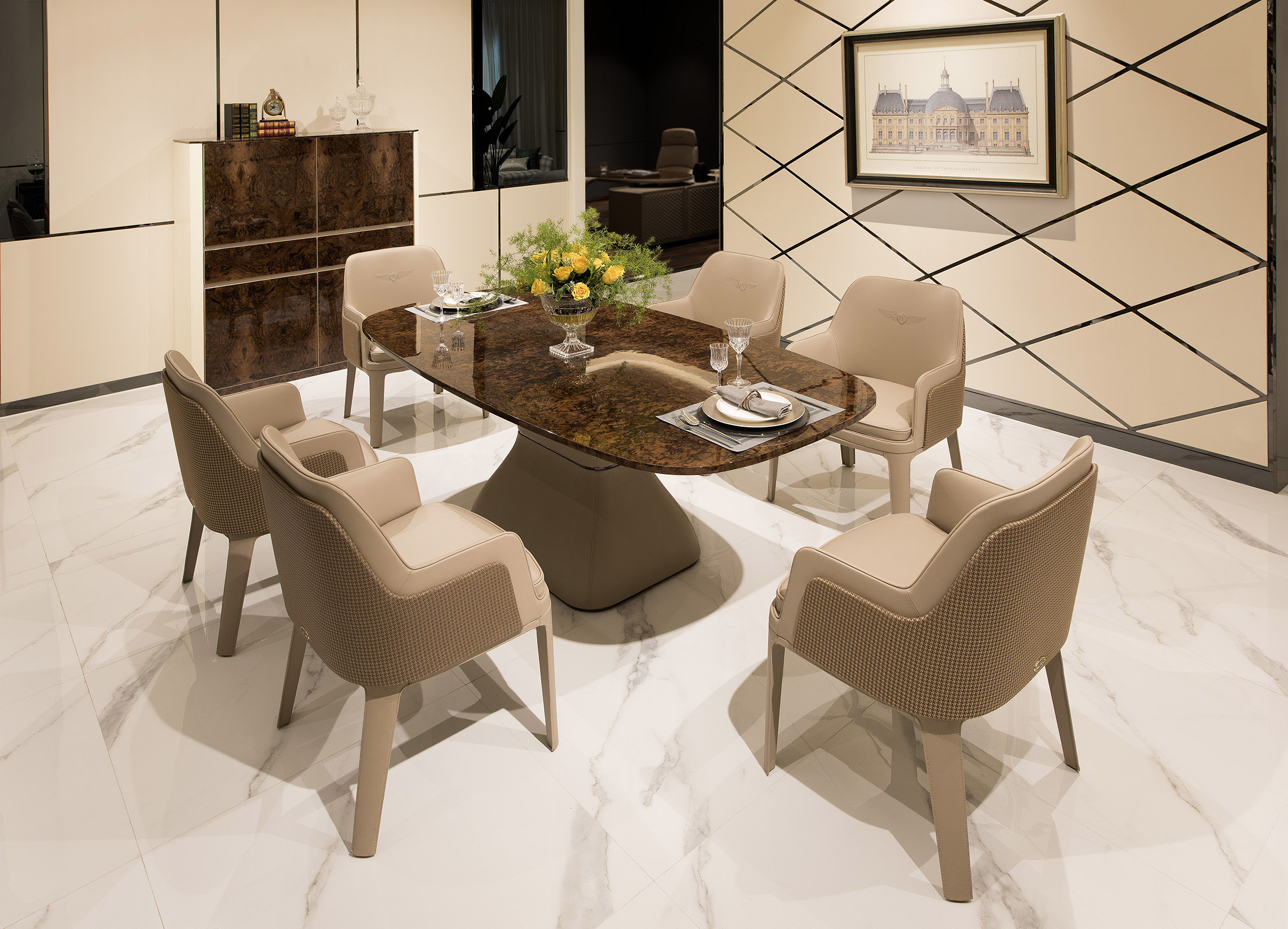
The math is simple: allow at least 60cm of table width per person. For four people, you want a table that's at least 140cm long. The chair-to-table height gap should be 27–32cm — if it's off, every meal feels subtly wrong and you can't figure out why.
One underrated trend: mixing chair styles at the same table. Same finish, different silhouettes. It looks intentional and interesting, not mismatched. Two upholstered end chairs with four simple wood side chairs, for example.
Bedroom
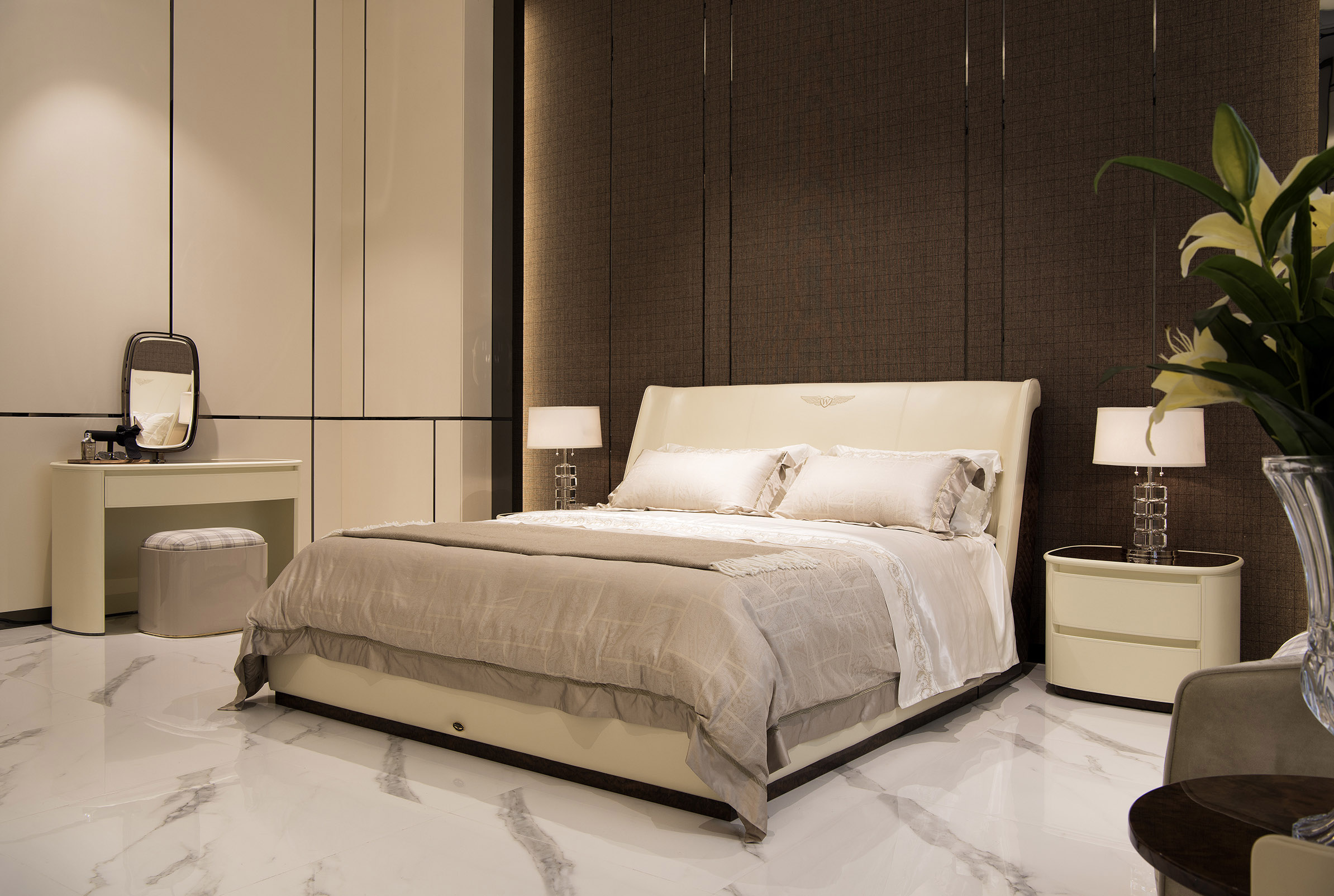
Spend your bedroom budget in this order: bed and mattress first, everything else second. You're in that bed for a third of your life. A $2,000 bed and a $300 dresser is a much smarter split than the other way around.
Headboard height changes the whole feel of a room. Taller headboards (above 100cm) make a room feel more finished and intentional. Short headboards often look like an afterthought.
The modern bedroom direction in 2025 is fewer pieces, better quality. One great bed, one well-made wardrobe, some good lighting. That's it. Resist the urge to fill every wall.
The real cost of cheap furniture
This is the part people don't want to hear, but it's worth saying clearly.
Cheap furniture isn't actually cheap. A $200 dining chair that you replace every 3 years costs more over a decade than a $600 chair that lasts 15 years — and the math doesn't even include the hassle of shopping again, assembling again, and disposing of the old one.
The per-day cost of a well-made piece is genuinely low. It's the upfront number that scares people.
We're not saying you need to spend a fortune on everything. But be strategic. Spend more on the pieces you touch and use daily — sofa, bed, dining chairs. Save on the stuff that matters less — side tables, decorative pieces, bookshelves.
10 things to check before you buy anything
1.Measure your space first. Every time. Including doorways and hallways the furniture has to pass through.
2.Sit in it, open it, touch it if at all possible. Photos are optimistic.
3.Ask what the main material actually is. "Wood-look" is not wood.
4.Check the joinery. Mortise and tenon or solid metal hardware beats glue alone every time.
5.Look at the legs. Wobbly legs on the showroom floor will be worse in 6 months.
6.Read the warranty. Good brands stand behind their work for at least 3 years.
7.Confirm delivery and setup options. Large furniture is not fun to move or assemble solo.
8.Check the return policy. You should have at least 30 days to live with a piece before you're locked in.
9.Think about your space in 5 years. Will this still work if you move? If your life changes?
10.Don't buy in a rush. Good furniture waits. Impulse furniture disappoints.
FAQ — Questions people actually Google about modern furniture
Q: What is the difference between modern and contemporary furniture?
Modern is a design style with specific rules (clean lines, function first, honest materials, rooted in early 20th century Bauhaus). Contemporary just means "what's popular right now" — it shifts constantly. A mid-century chair is modern. Whatever's trending on Instagram this week is contemporary. They sometimes overlap, but they're not the same thing.
Q: How do I know if furniture is good quality?
Four quick checks: the weight (quality materials are heavier), the finish (smooth and even, no bubbles or drips), the joints (tight, no gaps), and the drawers if there are any (they should glide smoothly and close fully). If any of those feel off in the store, they'll feel worse at home.
Q: Is it okay to mix furniture brands and styles?
Absolutely. The best interiors almost always mix sources. What you're matching is tone, scale, and material finish — not brand logos. An EKARFURNITURE dining table can work beautifully with chairs from another maker, as long as the proportions and materials speak the same visual language.
Q: What's the easiest way to not mess up a color scheme?
Stick to the 60-30-10 rule. 60% neutral base (walls, large furniture), 30% secondary color (rugs, curtains, smaller furniture), 10% accent (cushions, art, lamps). Most people skip the neutral base entirely and then wonder why nothing feels cohesive.
Q: What modern furniture style works best for small spaces?
Go for furniture with visible legs — it creates the illusion of more floor space. Stick to lighter tones. Choose multi-functional pieces (storage ottomans, extendable dining tables, sofa beds). Avoid heavy, low-profile pieces that visually "sink" into the room. Japandi and warm minimalist styles tend to work best in compact spaces.
Q: Where can I shop EKARFURNITURE's modern furniture collection?
The full collection is at furniturebymodern.com — organized by room so it's easy to browse with a specific space in mind. From modern living room furniture to bedroom pieces and dining sets, everything follows the same design philosophy: clean, functional, built to last.